News
RFID-Tag-In-Clothing-Supply-Chain
In recent years, more and more apparel enterprises recognize the importance of science and technology to supply chain management, although barcode technology in the access and inventory links to achieve information management, improve efficiency, but its limitations are still more significant: limited recognition range, batch reading difficulties, easy to damage and other issues constrain the further improvement of the management level. Therefore, the use of UHF RID technology to enhance the informationization and intelligent management of the clothing supply chain has become a trend. SEIKO RFID UHF in the clothing supply chain management system design, aims to achieve the whole process of digital and intelligent management through the equipment, tags and platforms work together.

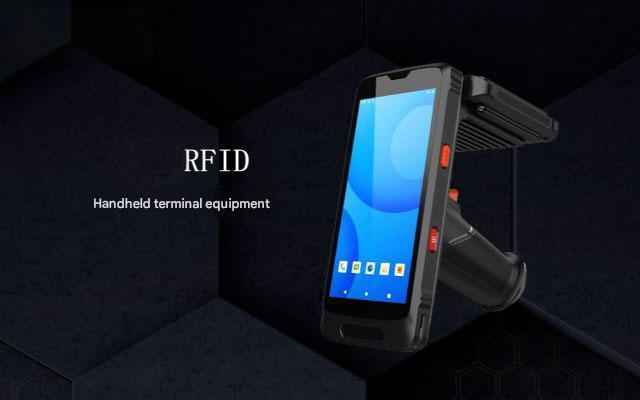
By binding RFID tags on the clothing, using RFID handheld terminal equipment to obtain real-time information on the tags, you can realize the intelligent management of the whole process of clothing, including the production of the next line, factory shipments, logistics and transportation, warehousing management, and so on.
UHF RFID technology has the following application advantages:
1.1 penetrating: RFID technology can recognize the goods behind the packaging or obstacles.
1.2 dynamic identification: the movement of goods can be realized quickly scanning.
1.3 tag durability: RFID tags support reuse, reducing long-term costs.
1.4 batch reading: one-time access to multiple pieces of clothing information to improve efficiency.
2.1 container management, for each piece of clothing bound to a unique RFID tag, through the following steps to achieve efficient management:
tag initialization: through the RFID printer to encode the tag, and print the bar code information.
Garment Binding: Paste, embed or implant the RFID tag into the garment to realize product tracking.
Data Consistency: Ensure that tag data corresponds one-to-one with garment information.
For apparel companies with more suppliers, the tags can be distributed to downstream suppliers by issuing cards, and the suppliers will complete the tag binding to further improve efficiency.
2.2 entry and exit management, after the deployment of RFID readers in the warehouse, the following functions can be realized:
Batch warehousing: after the arrival of goods, no need to unpacking, through the RFID readers batch reading and checking of warehousing orders, to achieve rapid warehousing.
Outbound verification: when out of the warehouse, RFID readers batch access to clothing information, and check with the outbound list, to ensure that the logistics and data flow is consistent. 3.
2.3 Warehouse inventory, RFID technology has revolutionized the traditional inventory:
Fast reading: operators use RFID handheld terminals to scan the shelves, you can collect clothing information in bulk.
Accurate comparison: the background system real-time comparison between the collected data and inventory records, quickly complete the inventory.
Efficient error prevention: avoid manual inventory error, realize accurate and efficient inventory management.
2.4 Extended application, RFID technology in the apparel supply chain is not only limited to the basic management, but also can be expanded to anti-theft and logistics monitoring:
Warehouse anti-theft: Installation of RFID channel at the entrance of the warehouse, unauthorized entry and exit of apparel products for identification and alarm.
Logistics transparency: real-time tracking of product transport path, to ensure that the logistics process of the whole visualization.

The successful implementation of UHF RFID technology apparel supply chain management program can bring the following benefits to the enterprise:
3.1 improve efficiency: automation in the in and out of the warehouse, boxing and inventory links, reduce manual operation, shorten working time.
3.2 reduce costs: reduce the loss of goods and inventory errors, optimize the supply chain process, reduce operating costs.
3.3 Optimize inventory management: Real-time control of inventory status to achieve scientific stocking and avoid excessive backlog or shortage.
3.4 Enhance market competitiveness: shorten the supply cycle and quickly respond to market demand through an efficient supply chain management system.
3.5 enhance customer experience: transparent supply chain information to help improve customer service and experience.
UHF RFID technology for clothing supply chain management has injected a new vigor. Its excellent technical advantages and the whole process of application design, to help enterprises achieve a comprehensive improvement in management efficiency. In the future, with the further development of RFID technology, its application potential in the apparel industry will be even broader. RFID technology, committed to building a solid foundation for apparel companies to create a smart supply chain, and promote the industry towards an efficient, intelligent and sustainable future.
Categories
Latest News
Contact Us
SEIKO RFID TECHNOLOGY LTD.
Add: Rm.7127, No.350, Changle Rd., Huli District, Xiamen 361006, China.
Tel: 0595-22586002
Email: sales@seikorfid.com
Phone: +86-18559272337 (WhatsApp)